Best Hiking Socks for Blisters: 7 Proven Picks That Prevent Hot Spots
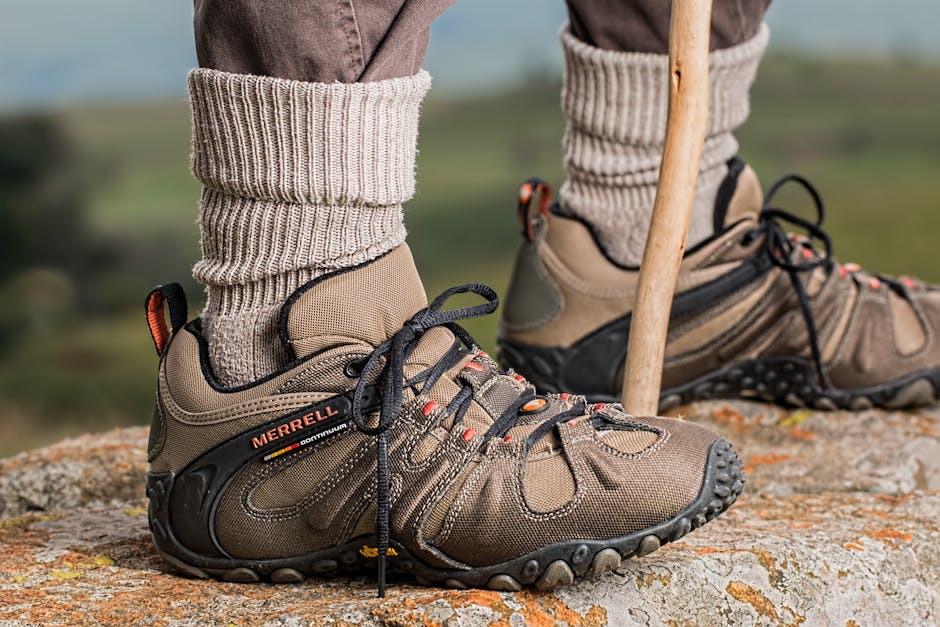
Tired of painful blisters ruining your hiking adventures? After testing dozens of hiking socks and analyzing thousands of hiker reviews, we’ve identified seven proven hiking socks that effectively prevent blisters through superior moisture management, strategic cushioning, and blister-resistant construction.
The best hiking socks for blisters overall are Darn Tough Vermont Merino Wool Socks for their lifetime durability and blister prevention. For budget-conscious hikers, People Socks Merino Wool Hiking Socks deliver excellent blister protection for under $15.
⚠️ Affiliate Disclosure: Your Gear Guide is reader-supported. When you buy through links on our site, we may earn a commission at no extra cost to you. This helps us keep providing quality outdoor gear guides. Learn more.
Why the Right Hiking Socks Prevent Blisters
Blisters form when friction meets moisture. Your foot slides inside your boot, skin rubs repeatedly against fabric, and heat builds up. Add sweat to the mix and you’ve created perfect blister conditions.
The best hiking socks for blisters break this cycle in three critical ways:
1. Superior Moisture Management
Merino wool and synthetic blends pull sweat away from skin faster than cotton ever could. Dry feet slide less inside your boots, dramatically reducing friction that causes hot spots.
2. Strategic Friction Reduction
Targeted cushioning at the heel and ball of foot creates a buffer between skin and boot. Less direct contact means less rubbing and fewer pressure points that develop into blisters.
3. Precise Fit and Construction
Socks that bunch up or slide down create pressure points. Well-designed hiking socks stay in place, eliminate movement, and provide consistent protection where you need it most.
Best Hiking Socks for Blisters: Top 7 Proven Options
1. Darn Tough Vermont Merino Wool – Best Overall for Blister Prevention
Price: $20-25
Darn Tough Vermont socks earn our top recommendation for the best hiking socks for blisters through their exceptional moisture-wicking merino wool construction and lifetime guarantee. These socks consistently prevent blisters even on long-distance hikes.
Key Blister Prevention Features:
- Merino wool naturally resists odor and moisture
- Seamless toe construction eliminates pressure points
- Targeted cushioning at heel and forefoot
- Performance fit prevents bunching and sliding
- Lifetime unconditional guarantee
- True Seamless construction reduces hot spots
Best for: Serious hikers who want proven blister prevention with lifetime durability.
2. People Socks Merino Wool Hiking Socks – Best Budget Blister Protection
Price: $12-15
People Socks deliver remarkable blister prevention at half the price of premium options. Their merino wool blend provides excellent moisture management and comfort without the premium price tag.
Key Blister Prevention Features:
- 70% merino wool for moisture wicking
- Medium cushioning in blister-prone areas
- Reinforced heel and toe for durability
- Arch support prevents foot fatigue
- Seamless toe construction
- Available in multiple heights
Best for: Budget-conscious hikers who need effective blister prevention.
3. Smartwool PhD Outdoor Light Crew – Best Moisture Management
Price: $18-22
Smartwool’s PhD series represents the pinnacle of moisture management technology. These socks excel at keeping feet dry during intense activity and hot weather conditions.
Key Blister Prevention Features:
- Merino wool with synthetic reinforcement zones
- 4-zone construction for targeted performance
- Virtually Seamless toe for hot spot prevention
- Body-mapped mesh zones for ventilation
- Indestructawool technology for durability
- Shred Shield technology reduces wear
Best for: Hot weather hiking and high-intensity activities where moisture control is critical.
4. REI Co-op Merino Wool Hiking Socks – Best Value Premium Socks
Price: $16-18
REI’s house brand hiking socks provide premium features at member-friendly prices. Their merino wool construction and strategic cushioning make them excellent for blister prevention.
Key Blister Prevention Features:
- 70% merino wool content
- Medium density cushioning
- Reinforcement in high-wear areas
- Smooth toe seams reduce irritation
- Compression zones for better fit
- REI satisfaction guarantee
Best for: REI members seeking quality hiking socks with member benefits.
5. Balega Hidden Comfort No Show – Best for Low-Cut Boots
Price: $14-16
Originally designed for running, Balega socks excel for hiking in low-cut shoes and approach shoes where traditional hiking socks might show above the boot line.
Key Blister Prevention Features:
- Synthetic moisture-wicking fibers
- Extra deep heel pocket prevents slipping
- Medium volume construction
- Seamless toe box construction
- Hand-linked toe seams
- Heel tab prevents sock migration
Best for: Day hikers using low-cut hiking shoes or approach footwear.
6. Injinji Trail Midweight Crew – Best Toe Protection
Price: $16-18
Injinji’s toe sock design eliminates toe-to-toe friction, making them ideal for hikers prone to blisters between toes or on individual toes.
Key Blister Prevention Features:
- Individual toe separation prevents inter-toe blisters
- CoolMax synthetic fibers for moisture wicking
- Strategic cushioning on forefoot and heel
- Anatomical 5-toe design
- Double cuff prevents debris entry
- Seamless toe construction
Best for: Hikers who experience blisters between toes or need maximum toe protection.
7. Bombas Merino Wool Hiking Socks – Best Comfort Features
Price: $14-16
Bombas hiking socks focus on comfort engineering with features specifically designed to eliminate common blister causes through thoughtful construction details.
Key Blister Prevention Features:
- Merino wool blend with synthetic reinforcement
- Stay-up technology prevents slipping
- Honeycomb arch support system
- Y-stitch heel creates better fit
- Seamless toe construction
- Medium cushioning in key areas
Best for: Comfort-focused hikers who prioritize fit and feel.
How to Choose Hiking Socks That Prevent Blisters
Material: Merino Wool vs Synthetic
Merino wool excels at moisture management, odor resistance, and temperature regulation. Synthetic blends dry faster and typically cost less. Both prevent blisters effectively when constructed properly.
Cushioning Levels
Light cushioning works best for precise boot fits. Medium cushioning provides the best balance for most hikers. Heavy cushioning suits loose-fitting boots but can create tightness in snug footwear.
Height Options
Crew height (mid-calf) provides maximum protection and prevents debris entry. Boot height works well with most hiking boots. No-show/ankle height suits low-cut hiking shoes.
Additional Blister Prevention Strategies
Proper Boot Fit
Even the best hiking socks can’t overcome poorly fitting boots. Ensure adequate toe room, proper width, and correct heel lock to minimize movement inside your boots.
Sock Liners
Thin liner socks worn under hiking socks create a two-layer system where friction occurs between sock layers rather than between sock and skin.
Foot Preparation
Keep toenails trimmed, address calluses, and consider foot lubricants or tape for known problem areas before long hikes.
Hiking Socks for Blisters: Frequently Asked Questions
Do hiking socks really prevent blisters?
Yes, quality hiking socks significantly reduce blister risk through moisture management, strategic cushioning, and proper fit. They’re one of the most effective and affordable blister prevention tools available.
Should I wear two pairs of socks to prevent blisters?
Double-sock systems (thin liner plus hiking sock) can prevent blisters by moving friction between sock layers. However, quality hiking socks alone are usually sufficient for most hikers.
How often should I replace hiking socks?
Replace hiking socks when they develop holes, lose cushioning, or no longer maintain their shape. Quality merino wool socks typically last 300-500 miles, while synthetic options may last 200-400 miles.
Can I wear regular athletic socks for hiking?
Athletic socks lack the targeted cushioning, moisture management, and durability features that make hiking socks effective for blister prevention. They’re not recommended for serious hiking.
What’s the best way to care for hiking socks?
Wash hiking socks in cold water with gentle detergent. Avoid fabric softener which reduces moisture-wicking ability. Air dry when possible, or use low heat in the dryer.
Related Guides
- Best Hiking Boots Under $150: Proven Picks for Day Hikes and Light Backpacking — Find the best budget hiking boots with our tested picks under $150
- How to Break In Hiking Boots: 4 Proven Methods That Actually Work — Learn four proven methods to break in hiking boots without pain
- How to Waterproof Hiking Boots: Methods & Products — Keep your boots dry with the right waterproofing methods and products
Final Recommendations: Choose Your Blister-Prevention Hiking Socks
The best hiking socks for blisters depend on your hiking style, footwear, and budget:
For maximum blister prevention: Choose Darn Tough Vermont Merino Wool socks for their proven track record and lifetime guarantee.
For best value: People Socks Merino Wool Hiking Socks provide excellent blister prevention at budget-friendly prices.
For specialized needs: Consider Injinji toe socks if you experience inter-toe blisters, or Balega socks for low-cut footwear.
Remember that sock selection is just one part of blister prevention. Combine quality hiking socks with properly fitted boots, gradual break-in periods, and good foot care practices for the best results. The investment in quality hiking socks pays off in comfortable, blister-free miles on the trail.
Gear Up for Your Next Adventure
Darn Tough Vermont Merino Wool – Best Overall for Blister Prevention, Smartwool PhD Outdoor Light Crew – Best Moisture Management, and REI Co-op Merino Wool Hiking Socks – Best Value Premium Socks stood out in our research.
Prices and availability may vary. As an Amazon Associate, Your Gear Guide earns from qualifying purchases.
Found this helpful? Share it with a fellow hiker.

0 Comments