How to Pack a Daypack for Hiking
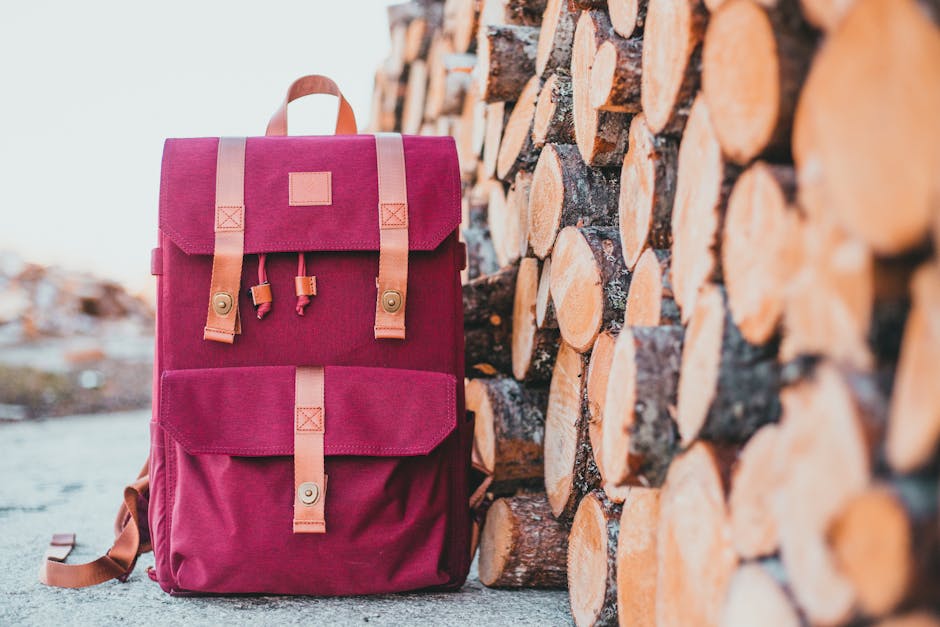
Weight Distribution: The Foundation of Daypack Packing
When it comes to pck dypck for hiking, Heavy items belong close to your back, centered between shoulder blades. This keeps weight over your hips instead of pulling you backward. Light items go at the bottom and away from your back. Follow this rule and your pack feels lighter.
⚠️ Affiliate Disclosure: Your Gear Guide is reader-supported. When you buy through links on our site, we may earn a commission at no extra cost to you. This helps us keep providing quality outdoor gear guides. Learn more.
Heavy items (close to back, upper-middle):
- Water reservoir or bottles
- Food for the day
- First aid kit
Medium items (middle section):
- Extra clothing layers
- Rain gear
- Lunch
Light items (bottom and outer pockets):
- Empty stuff sacks
- Trekking poles (when not in use)
- Sunscreen, bug spray
Never pack heavy at the bottom. It pulls you backward and strains your lower back. Keep weight high and close.
—
Layer 1: What Goes at the Bottom
Start with items you won’t need until later or items that compress easily.
Extra clothing layers — Your insulating jacket or extra fleece goes here. You won’t need it until you stop for lunch or the temperature drops. Stuff it loosely to fill space.
Rain pants — If weather looks stable, rain pants stay at the bottom. Rain jacket goes higher (you’ll need it faster).
Stuff sacks and compression bags — Empty or containing soft items only.
Don’t put snacks, water, or first aid at the bottom. You’ll dig for them repeatedly.
—
Layer 2: The Main Compartment Middle
This is prime real estate. Pack items you’ll access during the hike here.
Water (if not using external pockets or reservoir) — Keep bottles upright near your back for weight distribution. Use side compression straps to prevent shifting.
Food and snacks — Separate bag for lunch, smaller bag for trail snacks. Easy to grab without unpacking everything.
First aid kit — Center section, easy access. You don’t want to dig for this.
Headlamp and map — Even on day hikes. Weather changes, trails take longer than expected.
—
Layer 3: Top Section and Lid Pocket
Items you’ll need frequently or quickly go here.
Rain jacket — Always within 30 seconds of access. Weather changes fast.
Sunscreen and bug spray — Reapply throughout the day.
Toilet paper and trowel — Nature calls unpredictably.
Phone, keys, wallet — Lid pocket or top section. Don’t bury these.
Snacks for the next hour — Quick energy without stopping to unpack
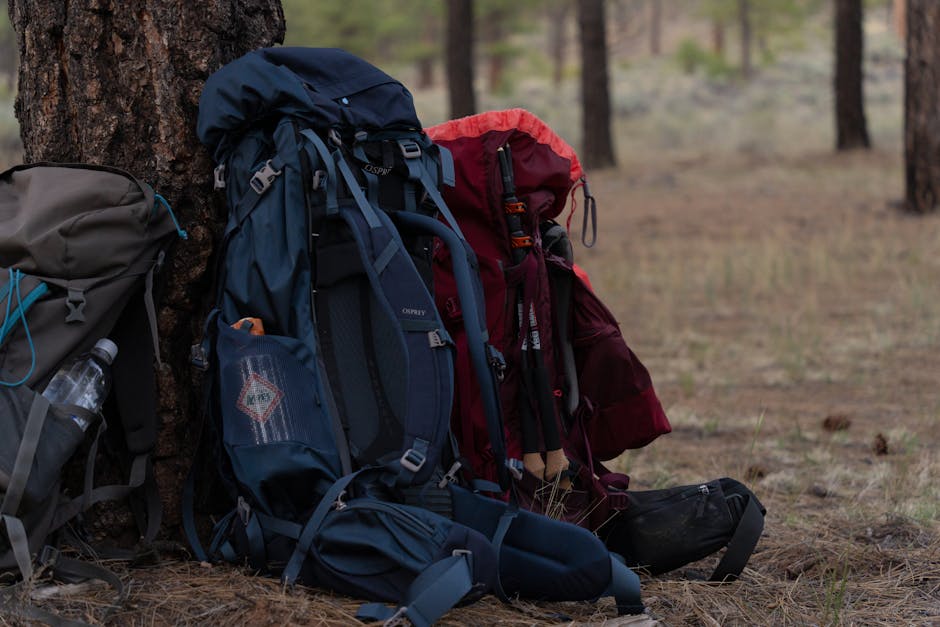
External Pockets and Attachment Points
Use them efficiently:
Side pockets — Water bottles if your pack has them. Some daypacks fit 1L bottles, some don’t. Test before the trail.
Hip belt pockets — Phone, camera, snacks, lip balm. Anything you want while walking without stopping.
Trekking pole attachments — Use them when poles aren’t in your hands. Strapping poles to the side of your pack poorly is how you lose them.
Mesh exterior pocket — Wet items (rain jacket you just took off, wet socks). Never put wet items inside the main compartment with dry gear.
—
What Not to Pack in a Daypack
Cotton clothing — Holds moisture, dries slowly, causes blisters. Synthetic or wool only.
Too much water — Carry enough for your distance and climate, not gallons “just in case.” Water is heavy. 2-3 liters is usually plenty for a full day hike.
Items you don’t know how to use — If you bring a first aid kit, know what’s in it. Bringing a tourniquet you’ve never practiced with doesn’t help.
Your entire closet — One extra insulating layer, one rain layer. Not three of each.
—
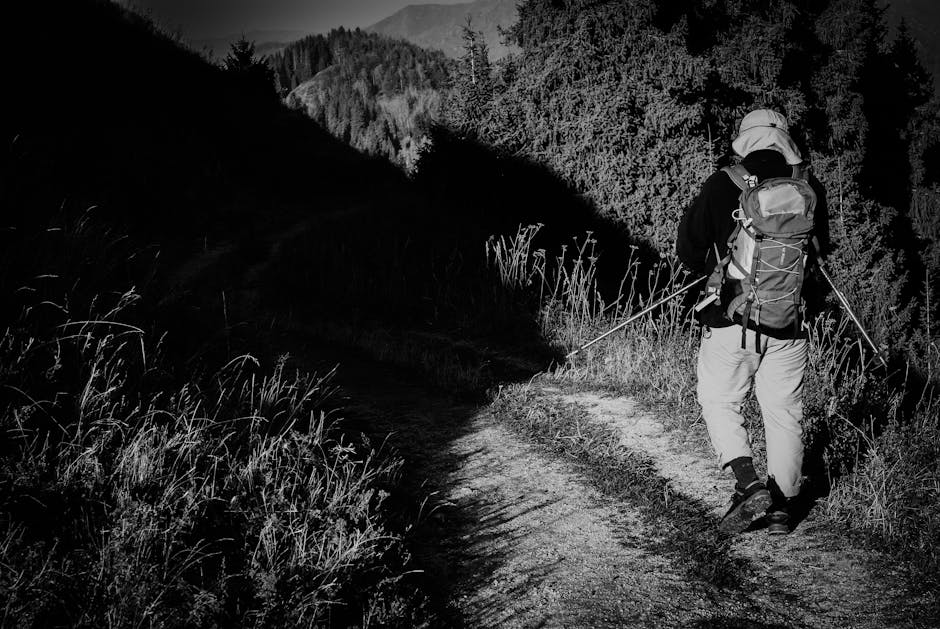
Packing for Different Hike Lengths
Short hikes (2-4 hours):
- 1-2L water
- Snacks only (no lunch)
- Light rain jacket
- First aid basics
Half-day hikes (4-6 hours):
- 2-3L water
- Lunch + snacks
- Rain jacket + extra layer
- Full first aid kit
- Headlamp (if finishing near dark)
Full-day hikes (6-8+ hours):
- 3L+ water (or filter for refills)
- Full meals + snacks
- Extra insulating layer
- Rain jacket + rain pants
- Navigation tools (map, compass, GPS)
- Emergency shelter (bivy or space blanket)
—
FAQ: Packing a Daypack
Should I use a hydration reservoir or water bottles?
Reservoirs keep weight centered and let you drink while walking. Bottles are easier to refill and you can see how much water remains. Both work—use what you prefer.
How do I keep my pack from shifting side to side?
Tighten load lifter straps at the top of shoulder straps. Tighten hip belt. Use side compression straps to cinch the pack close to your body. Loose packs shift.
Where should I pack my phone?
Hip belt pocket for quick access, or lid pocket. Never at the bottom of the main compartment. You’ll want it for photos, navigation, or emergencies.
Do I need to waterproof the inside of my daypack?
Most daypacks aren’t fully waterproof. Use a pack rain cover or line the inside with a trash compactor bag (stronger than garbage bags). Keep electronics and extra layers in a dry bag.
Related Resources
More from Your Gear Guide:
- How to Choose Hiking Pants: Complete Material, Fit & Feature Guide
- How to Waterproof Hiking Boots: Methods, Products & Common Mistakes
- How to Layer for Hiking Spring: Base, Mid & Outer Layer System
Expert Resources:
Related Guides
- Best Budget Backpacks Day Hiking: 7 Quality Picks — Compare seven quality daypacks under $80 for any hiking style
- Best Budget Trekking Poles 2026: 6 Reliable Options Under $50 — Choose the right budget trekking poles with our six tested picks under $50
Bottom Line: How to Pack a Daypack for Hiking
Pack heavy items high and close to your back. Keep frequently needed items (rain jacket, snacks, first aid) in the top section or external pockets. Put items you won’t need until later (extra layers, rain pants) at the bottom. Use compression straps to prevent load shifting.
The 10 minutes you spend organizing your daypack before the trail saves 30 minutes of digging and repacking on the trail.
—
Gear Up for Your Next Adventure
The gear featured in this guide was selected based on real-world performance and value.
Prices and availability may vary. As an Amazon Associate, Your Gear Guide earns from qualifying purchases.
Found this helpful? Share it with a fellow hiker.
0 Comments