How to Layer for Hiking Spring: Base, Mid & Outer

⚠️ Affiliate Disclosure: Your Gear Guide is reader-supported. When you buy through links on our site, we may earn a commission at no extra cost to you. This helps us keep providing quality outdoor gear guides. Learn more.
Why Spring Hiking Requires a Layering System
When it comes to layering for hiking spring, this transitional season throws 40-degree temperature swings at you in a single day. Morning starts at 35°F with frost. By lunch you’re hiking in 65°F sunshine. Afternoon clouds bring wind and sudden rain showers. Evening temperatures drop back to the 40s.
One heavy jacket can’t handle this range effectively. You’ll overheat climbing uphill and freeze when you stop for lunch. A layering system lets you add and remove insulation as conditions change, whether you’re day hiking or setting up camp with quality gear like fast-setup tents and appropriate sleeping systems.
The three-layer system works because:
Base layer manages moisture. Pulls sweat away from skin so you don’t get clammy and cold.
Mid layer provides insulation. Traps warm air close to your body. Add or remove based on temperature and activity level.
Outer layer blocks wind and rain. Keeps external moisture out while allowing internal moisture to escape.
Base Layer: Your Moisture Management Foundation
The base layer sits against your skin and manages the moisture your body produces during physical activity. Choose materials that wick sweat away from skin rather than absorbing it.
Best Base Layer Materials
Merino wool: Natural odor resistance, temperature regulation, comfortable against skin. Dries slower than synthetics but regulates temperature better.
Synthetic (polyester/nylon blends): Quick-drying, durable, less expensive than wool. Can retain odors but excels at moisture wicking.
Avoid cotton: Absorbs and holds moisture against skin, loses insulation value when wet, takes hours to dry.
Base Layer Fit and Function
Base layers should fit snugly without restricting movement. Loose-fitting base layers don’t wick moisture effectively, while overly tight layers restrict circulation.
Choose lightweight base layers for spring hiking. Heavyweight base layers designed for winter conditions will cause overheating during moderate activity.
Top Base Layer Recommendations
- Smartwool Merino 150 Base Layer: Excellent temperature regulation, natural odor resistance
- Patagonia Capilene Cool Daily: Superior moisture wicking, quick-drying synthetic
- Minus33 Merino Wool Lightweight: Budget-friendly wool option with good performance
Mid Layer: Your Adjustable Insulation
The mid layer provides warmth through insulation while allowing the base layer’s moisture management to function. This layer gets added and removed most frequently as conditions change.
Mid Layer Options
Fleece jackets: Lightweight, breathable, quick-drying. Easy to pack and layer. Good warmth-to-weight ratio.
Synthetic insulation: Warm when wet, compressible, maintains loft after repeated packing. Works well in humid conditions.
Down insulation: Best warmth-to-weight ratio, highly compressible. Loses insulation value when wet, takes longer to dry.
Wool sweaters: Natural temperature regulation, odor resistance. Heavier than synthetic options but comfortable across temperature ranges.
Mid Layer Strategy for Spring
Start the day wearing your mid layer over the base layer. Remove it once you warm up from hiking activity, typically 15-30 minutes into the hike.
Put the mid layer back on during rest stops, lunch breaks, or when weather conditions change. The goal is maintaining comfortable body temperature without overheating.
Recommended Mid Layer Options
- Patagonia Better Sweater Fleece: Classic fleece performance, comfortable, versatile
- Arc’teryx Atom LT Vest: Core warmth without restricting arm movement
- REI Co-op Merino Wool Long-Sleeve: Natural fiber option with excellent versatility
Outer Layer: Your Weather Protection Shell
The outer layer protects against wind, rain, and snow while allowing moisture from base and mid layers to escape. This layer stays in your pack until needed for weather protection.
Shell Layer Types
Waterproof-breathable: Complete rain protection with some breathability. Heavier and more expensive but essential for extended rain exposure.
Water-resistant softshells: Better breathability, more comfortable, lighter weight. Handle light rain and wind but not heavy precipitation.
Windbreaker: Minimal protection from light wind and drizzle. Ultralight and packable but limited weather protection.
Spring Shell Recommendations
For spring hiking, a lightweight rain jacket under $100 provides the best balance of protection, packability, and value. These shells handle spring’s unpredictable weather without unnecessary bulk.
Top Outer Layer Options
- Marmot PreCip Eco Jacket: Reliable waterproof protection, environmentally friendly
- REI Co-op Rainier Rain Jacket: Excellent value, proven performance in Pacific Northwest conditions
- Outdoor Research Ferrosi Jacket: Breathable softshell for active use
Layering Strategies by Spring Conditions
Cool Morning Start (30-45°F)
Beginning: Base layer + mid layer + shell if windy
After warming up: Base layer only or base + light mid layer
Breaks: Add mid layer immediately when stopping
Warm Day Hiking (50-70°F)
Active hiking: Base layer only, maybe light long sleeves for sun protection
Rest stops: Add light mid layer if breezy
Weather changes: Shell layer for sudden rain showers
Variable Weather (40-60°F with rain)
Dry periods: Base layer + light mid layer
Rain: Base + mid + waterproof shell
Post-rain: Remove shell immediately to prevent overheating
Essential Spring Layering Tips
Pack Layer Management
Designate specific pack pockets for different layers. Keep your shell easily accessible in the top of your pack or side pocket for quick deployment.
Use stuff sacks to organize layers and prevent them from getting tangled with other gear.
Activity-Based Adjustments
Add layers before you feel cold, remove layers before you start sweating. Anticipating temperature changes prevents discomfort.
During uphill climbs, remove layers early. Your body generates significant heat during sustained uphill effort.
Weather Monitoring
Check weather forecasts but prepare for rapid changes. Spring weather systems move quickly and local conditions vary significantly.
Learn to read cloud formations and wind patterns for early warning of weather changes.
Common Spring Layering Mistakes
Over-Dressing at the Start
Don’t dress for the trailhead temperature. You should feel slightly cool when you start hiking. Your body will warm up quickly.
Wearing Cotton
Cotton base layers and mid layers become dangerous when wet. Stick to synthetic materials or merino wool for all layers.
Ignoring Extremities
Don’t forget hat, gloves, and appropriate footwear. Your core might be warm, but cold hands and feet affect overall comfort significantly.
Not Adjusting During the Day
Layering only works if you actively manage it. Add and remove layers as conditions change throughout the day.
Footwear Considerations
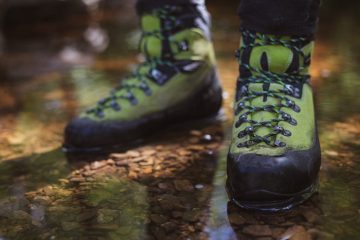
Spring hiking often involves muddy trails, stream crossings, and varying conditions. Ensure your hiking boots are properly waterproofed to handle spring’s wet conditions.
Consider gaiters to keep debris and moisture out of your boots during muddy trail conditions.
Overnight Considerations
For spring backpacking trips, your layering system extends into camp. The same layers that regulate temperature during hiking work for camp activities and sleep systems.
Coordinate your clothing layers with your shelter choice and sleeping bag rating for complete temperature management.
Final Layering Recommendations
Start with quality base and mid layers before investing in expensive shells. Good moisture management and insulation matter more than premium outer layer features for most spring hiking.
Practice your layering system on shorter hikes before committing to long adventures. Understanding how your layers work together takes experience.
Remember that layering is an active process, not a set-it-and-forget-it solution. Successful spring hiking requires monitoring conditions and adjusting layers throughout the day.
For complete spring hiking preparation, consider layering as part of your overall gear system alongside reliable cooking equipment and proper hot weather clothing strategies for those warm spring afternoons.
Related Guides
- Best Lightweight Rain Jacket Under 100: 7 Picks — Find a reliable waterproof rain jacket that packs small and costs under $100
- How to Choose Hiking Pants: Material, Fit & Features — Choose hiking pants with the right material, fit, and features for any trail
- What to Wear Hiking Hot Weather: Fabric & Sun Tips — Stay cool and protected with the right fabrics and sun strategies for hot hikes
Gear Up for Your Next Adventure
Best Base Layer Materials, Base Layer Fit and Function, and Top Base Layer Recommendations stood out in our research.
Prices and availability may vary. As an Amazon Associate, Your Gear Guide earns from qualifying purchases.
Found this helpful? Share it with a fellow hiker.

0 Comments