How to Waterproof Hiking Boots: Methods & Products
⚠️ Affiliate Disclosure: Your Gear Guide is reader-supported. When you buy through links on our site, we may earn a commission at no extra cost to you. This helps us keep providing quality outdoor gear guides. Learn more.
Why Waterproofing Hiking Boots Matters
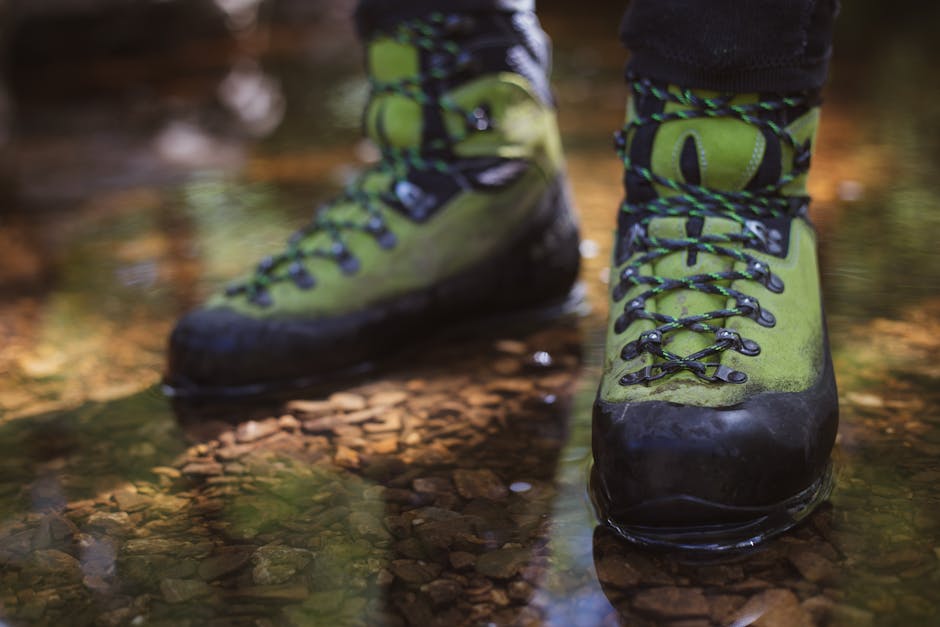
When it comes to waterproof hiking boots methods, even premium boots leave the factory with waterproof treatment applied, but that treatment degrades with use. Dirt, mud, sweat, and UV exposure break down protective coatings. After 30-50 miles of hiking, water starts soaking in instead of beading up on the surface.
Whether you’re wearing budget-friendly hiking boots under $150 or premium models, regular waterproofing maintenance keeps your feet dry and extends boot lifespan significantly.
Properly waterproofed boots do three essential things:
Keep feet dry. Water-resistant leather and synthetic materials shed rain, puddles, and morning dew instead of absorbing moisture.
Extend boot lifespan. Waterproofing treatments also condition leather, preventing it from drying out and cracking. Dry, cracked leather fails faster than maintained leather.
Maintain breathability. Good waterproofing methods don’t seal off breathability. Bad methods (which we’ll cover) turn boots into plastic bags that trap moisture inside.
When to Waterproof Your Hiking Boots
New boots don’t need immediate treatment, but watch for these signs that waterproofing has degraded:
Water absorption: Water soaks into leather instead of beading up and rolling off the surface.
Slow drying: Boots take 12+ hours to dry after getting wet, indicating compromised water resistance.
Staining: Dark water stains appear on leather after exposure to moisture.
Cracking leather: Dry, cracked leather indicates the need for conditioning and waterproofing.
Method 1: Wax-Based Waterproofing
Wax treatments provide excellent water resistance and leather conditioning but reduce breathability slightly.
Best Wax Products
- Nikwax Waterproofing Wax for Leather: Easy application, excellent durability
- Sno-Seal Original Beeswax Waterproofing: Time-tested formula, requires heating
- Obenauf’s Heavy Duty LP: Maximum protection for extreme conditions
Wax Application Process
Step 1: Clean boots thoroughly with saddle soap or boot cleaner. Remove all dirt and salt residue.
Step 2: Allow boots to dry completely, typically 2-4 hours depending on humidity.
Step 3: Warm boots slightly (room temperature is fine, avoid direct heat) to open leather pores.
Step 4: Apply wax in thin, even coats using a clean cloth or applicator brush.
Step 5: Work wax into seams, stitching, and flex points where water typically penetrates.
Step 6: Allow 2-4 hours for absorption before wearing.
Method 2: Spray-On Waterproofing
Spray treatments offer convenience and maintain breathability better than wax, though they require more frequent reapplication.
Top Spray Products
- Nikwax Fabric & Leather Proof: Safe for all materials, environmentally friendly
- Scotchgard Heavy Duty Water Shield: Strong protection, works on synthetic materials
- Grangers Footwear Repel: Specifically formulated for hiking boots
Spray Application Steps
Step 1: Clean boots and allow complete drying.
Step 2: Apply in well-ventilated area, preferably outdoors.
Step 3: Hold bottle 6-8 inches from boot surface.
Step 4: Spray evenly, ensuring complete coverage without pooling.
Step 5: Pay extra attention to seams and stitching lines.
Step 6: Allow 24 hours to cure before wearing in wet conditions.
Method 3: Liquid Waterproofing
Liquid treatments penetrate deeply into leather and provide long-lasting protection with excellent conditioning properties.
Recommended Liquid Products
- Nikwax Conditioner for Leather: Cleans and waterproofs in one application
- Kiwi Camp Dry Heavy Duty Water Repellent: Budget-friendly option with good performance
- Atsko Sno-Seal Liquid Waterproofing: Penetrates deeply, conditions leather
Waterproofing Different Boot Materials
Full-Grain Leather Boots
Accept all waterproofing methods well. Wax provides maximum protection but reduces breathability. Liquid conditioners work excellently for regular maintenance.
Nubuck Leather Boots
Require specialized treatments that don’t alter texture. Use sprays specifically designed for nubuck to maintain the material’s distinctive feel.
Synthetic Material Boots
Work best with spray treatments. Avoid wax-based products that don’t penetrate synthetic fibers effectively.
Mixed Material Boots
Choose treatments compatible with all materials present. Spray waterproofing usually provides the best compatibility.
Common Waterproofing Mistakes
Over-Application
More product doesn’t equal better protection. Excessive wax or liquid treatments clog leather pores and reduce breathability without improving water resistance.
Skipping Cleaning
Applying waterproofing over dirt and grime traps contaminants against the leather, potentially causing damage over time.
Using Wrong Products
Household waterproofing sprays designed for fabrics can damage leather. Use products specifically formulated for footwear.
Insufficient Drying Time
Rushing the drying and curing process reduces treatment effectiveness. Allow full cure time before exposure to moisture.
Maintenance Schedule
Waterproofing frequency depends on usage intensity and conditions:
Heavy use (weekly hiking): Treat every 4-6 weeks or 40-60 miles
Moderate use (bi-weekly hiking): Treat every 2-3 months or 80-100 miles
Light use (monthly hiking): Treat seasonally or every 6 months
Storage: Treat before long-term storage to prevent leather drying
Signs of Effective Waterproofing
Well-waterproofed boots show these characteristics:
Water beading: Droplets form and roll off rather than soaking in
Quick drying: Surface water evaporates within minutes
No staining: Leather maintains consistent color after water exposure
Maintained flexibility: Leather remains supple, not stiff or cracked
Beyond Waterproofing: Complete Boot Care
Waterproofing works best as part of comprehensive boot maintenance. Regular cleaning removes abrasive dirt, while proper drying prevents material degradation.
For new hikers learning essential skills, understanding proper boot break-in techniques proves equally important for comfort and performance.
Consider waterproofing part of your complete outdoor gear maintenance routine, alongside caring for sleeping bags and tent systems for maximum gear lifespan.
Final Recommendations
For most hikers, liquid waterproofing treatments provide the best balance of protection, breathability, and ease of application. They condition leather while providing reliable water resistance.
Car campers and weekend hikers should consider wax treatments for maximum water resistance, especially in consistently wet conditions.
Frequent hikers benefit from spray treatments for convenience and quick reapplication between longer maintenance sessions.
Remember that no waterproofing treatment lasts forever. Regular maintenance every few months keeps your boots performing like new and extends their useful lifespan significantly.
0 Comments