How to Choose Hiking Pants: Material, Fit & Features
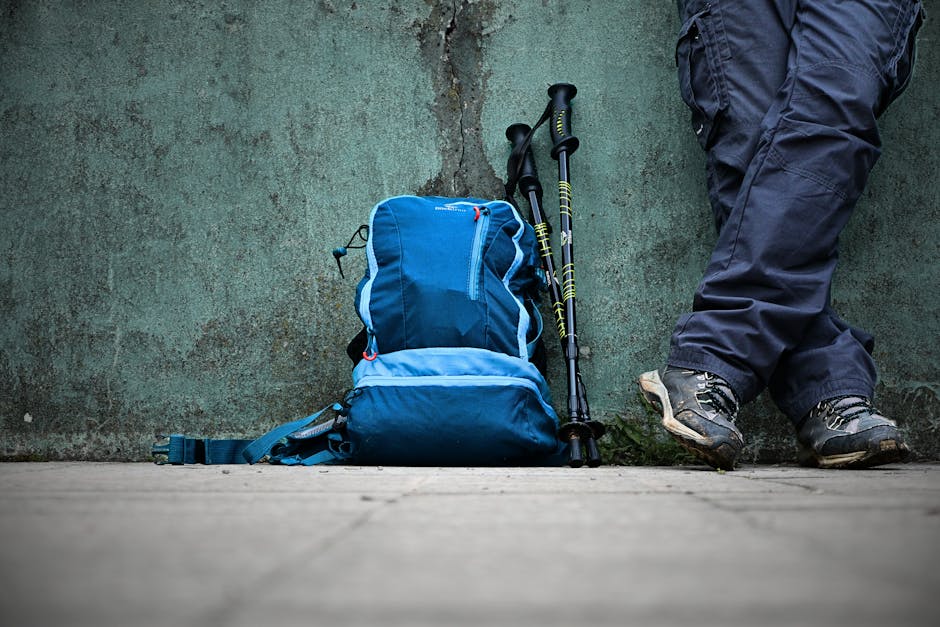
Why Hiking Pants Matter More Than You Think
When it comes to choosing hiking pants material, Casual jeans or athletic pants fail on the trail for clear reasons. Cotton jeans trap moisture and chafe. Gym shorts lack sun protection and snag on plants. Standard athletic pants restrict movement on steep scrambles and lack durability.
⚠️ Affiliate Disclosure: Your Gear Guide is reader-supported. When you buy through links on our site, we may earn a commission at no extra cost to you. This helps us keep providing quality outdoor gear guides. Learn more.
Hiking pants solve these problems through purpose-built design:
They manage moisture. Synthetic fabrics and treated nylon pull sweat away from skin and dry fast when you stop for lunch or get caught in the rain.
They move with you. Gusseted crotches, articulated knees, and stretch fabrics let you step over logs, scramble up rocks, and kneel to adjust boots without restriction.
They protect your legs. UPF-rated fabrics block the sun. Durable materials resist abrasion from brush, rocks, and repeated use. Some offer water-resistance or insect protection.
Choose the wrong pants and you’ll notice every mile. Choose right and you’ll forget you’re wearing them.
—
Hiking Pants Material Types: What Works Best
Nylon (Most Common)
Durable, dries fast, resists abrasion, and is affordable. Most hiking pants use nylon blends. Look for ripstop nylon—the crosshatch pattern visible in the fabric prevents tears from spreading. Standard nylon works but tears more easily.
Drawback: Can feel stiff until broken in. Less breathable than polyester in hot weather.
Polyester Blends
Lighter than nylon, dries faster, more breathable. Often blended with spandex for stretch. Good for warm-weather hiking and high-output activities.
Drawback: Less durable than nylon. More prone to snags and tears on technical terrain.
Nylon-Spandex Blends (Most Versatile)
Combines nylon durability with spandex stretch (typically 5-15% spandex). Moves naturally, resists abrasion, dries fast. This is the sweet spot for most hikers.
Drawback: Slightly higher price than straight nylon.
Soft-Shell Fabrics
Woven outer layer with fleece-like inner layer. Windproof, water-resistant, warmer. Best for alpine hiking, cooler weather, or windy conditions.
Drawback: Takes longer to dry. Overkill for warm-weather hiking.
Cotton Canvas (Avoid)
Heavy, holds moisture, takes forever to dry, causing chafing when wet. Skip it for hiking.
—
How to Choose Hiking Pants: Fit Considerations
Inseam Length Matters
Too long and pant legs drag in mud, catch on boots, and fray at the hem. Too short and you lose coverage. Most brands offer multiple inseam options (short, regular, long). If you’re between sizes, go shorter—you can always wear taller socks.
For convertible pants (zip-off legs), the knee zipper should sit at or just above your knee when standing. Too high and the shorts look awkward. Too low and they bunch behind your knee when walking.
Rise: Mid-Rise Works Best
Low-rise pants slide down when you bend over or wear a hip belt. High-rise can bunch under a backpack waist belt. Mid-rise (sits at or just below your natural waist) stays put and works with backpack hip belts without interference.
Leg Cut: Straight vs Tapered
Straight-leg pants accommodate hiking boots easily and don’t restrict ankle movement. Tapered pants look sleeker but can bunch around boot tops on the trail.
If you hike in trail runners (low-cut shoes), tapered works fine. If you wear mid or high hiking boots, straight-leg or slightly tapered works better.
Waist Closure: Belt Loops + Integrated Belt
Look for pants with both belt loops AND an integrated adjustment system (internal drawstring or webbing belt). The integrated system keeps pants secure without adding a separate belt. Belt loops give you options if the integrated system breaks.
Avoid pants with only elastic waists—they don’t work well with backpack hip belts.
—
Key Features to Look For in Hiking Pants
Gusseted Crotch (Essential)
A diamond-shaped fabric panel sewn into the crotch allows natural leg movement without restriction. Without a gusset, pants bind when you lift your leg to step over obstacles. All good hiking pants have this.
Articulated Knees (Helpful)
Pre-shaped knee construction (slight bend sewn into the knee area) moves more naturally and reduces fabric bunching behind the knee. Nice but not essential.
Pocket Placement and Security
Front hand pockets: deep enough that your phone won’t fall out when you sit
Zippered cargo pockets: secure storage for keys, wallet, snacks
Back pockets: zippered to prevent loss; some hikers never use them because of backpack pressure
Avoid pants with too many pockets—they add weight and bulk.
UPF Rating (Sun Protection)
UPF 30 or higher blocks 97%+ of UV rays. Matters for desert hiking, alpine terrain, or anywhere with high sun exposure. Less important in shaded forests.
Water Resistance: DWR Treatment
Durable Water Repellent (DWR) coating makes water bead up and roll off instead of soaking in. Light rain? You stay dry. Heavy rain? You’ll still get wet, but the pants dry faster afterward.
DWR wears off after 50-100 washes. You can reapply it with spray-on treatments.
Don’t confuse DWR with waterproof. Hiking pants aren’t waterproof—if you need that, wear rain pants over your hiking pants.
Reinforced Knees, Seat, and Cuffs
Double-layer fabric at high-wear areas extends pants lifespan. Knees contact rocks when scrambling. Seat wears from sitting on rough surfaces. Cuffs fray from boot contact. Reinforcement in these areas adds years of use.
—
Convertible vs Standard Hiking Pants
Convertible Pants (Zip-Off Legs)
Zip off the legs to convert pants into shorts. One garment, two options. Useful if the temperature varies significantly during your hike or if you want to pack lighter.
Pros:
- Adaptable to changing weather
- Less packing weight (one item instead of two)
- Quick transition without changing
Cons:
- Zippers add weight and potential failure points
- Knee zippers can rub slightly when kneeling
- Shorts portion often looks bulkier than dedicated shorts
- Slightly more expensive
Standard Hiking Pants
Fixed full-length pants without zip-off legs.
Pros:
- More streamlined (no zippers)
- Often more comfortable (no knee zipper line)
- Typically lighter weight
- Usually less expensive
Cons:
- Can’t convert to shorts when the weather warms
- Need to carry separate shorts if you want both options
When to choose each:
Choose convertible if you hike in highly variable conditions (desert with hot days and cold mornings, shoulder-season hiking, multi-day trips). Choose standard if you typically hike in consistent conditions or prefer dedicated shorts and pants.
—
How to Choose Hiking Pants for Different Weather
Warm Weather (70°F+)
Lightweight polyester or nylon blends. Look for mesh pocket bags (extra ventilation), lighter fabric weight (3-5 oz per square yard), and articulated or rolled cuffs for air circulation. Consider converting to shorts at midday.
Moderate Weather (50-70°F)
Standard nylon or nylon-spandex blends. This is where most hiking pants excel. Medium fabric weight (5-7 oz per square yard) provides a good balance of durability, breathability, and light weather protection.
Cool Weather (35-50°F)
Soft-shell pants or fleece-lined hiking pants. Look for wind resistance and warmth without bulk. Some hikers layer lightweight long underwear under standard hiking pants instead of buying dedicated cool-weather pants.
Cold Weather (Below 35°F)
Insulated hiking pants or ski-touring pants with fleece or synthetic insulation. Or layer insulated long underwear under wind-resistant hiking pants. At this point, you’re often better served by layering than buying single-purpose cold-weather pants.
—
FAQ: How to Choose Hiking Pants
Should hiking pants be tight or loose?
Neither. Look for a fit that allows free movement without excess fabric. You should be able to lift your knee to chest height without restriction and squat fully without the fabric pulling tight. Too loose and the fabric catches on the brush or bunches under a backpack.
How many pairs of hiking pants do I need?
One good pair is enough for most hikers. If you hike year-round or in highly variable conditions, two pairs (one lightweight, one heavier) cover all situations. Rotate them to extend lifespan.
Can I hike in yoga pants or leggings?
You can, but they have drawbacks: less sun protection, less abrasion resistance, no pockets, and visible sweat marks. For maintained trails they work. For brushy trails or scrambling, dedicated hiking pants protect better.
What’s a good price range for hiking pants?
$50-90 gets you solid hiking pants with good materials and features. Below $50 you sacrifice durability or features. Above $90 you’re paying for premium brands, lighter materials, or specialized features. Most hikers don’t need $120 pants.
Do I need different pants for backpacking vs day hiking?
The same pants work for both. For multi-day backpacking some hikers prefer lighter-weight pants to reduce pack weight and allow easier washing/drying at camp. But standard hiking pants handle both uses.
—
Related Resources
More from Your Gear Guide:
Expert Resources:
Bottom Line: How to Choose Hiking Pants
Learning how to choose hiking pants comes down to matching material, fit, and features to your hiking style. For most hikers, nylon-spandex blend pants with a gusseted crotch, articulated knees, and DWR treatment handle everything from maintained trails to light scrambling.
Look for mid-rise pants with both belt loops and an integrated waist adjustment. Choose an inseam length that hits right at your boot top without dragging. Decide on a convertible vs standard based on whether your hikes see significant temperature variation.
Skip cotton entirely, ignore pants without a gusseted crotch, and don’t overspend on features you won’t use. A solid pair of hiking pants in the $50-90 range will serve you well for hundreds of miles.
—
Related: [Best Hiking Boots Under $150](#) | [How to Layer for Hiking Spring](#) | [Best Budget Backpacks Day Hiking](#)
—
Published March 2026. Recommendations based on hiking pant performance features, material durability, and practical trail use.
—
0 Comments